


About Us
The Hungarian Psychedelic Association aims to expand and deepen the work of the Multidisciplinary Association for Psychedelic Research (MTPK), which operated between 2009 and 2024. The MTPK played a pioneering role in establishing psychedelic research and scientific discourse in Hungary: in the spring of 2010, it organized Europe’s second scientific conference dedicated to psychedelics and founded the Journal of Psychedelic Studies, which has since become one of the world’s leading journals in the field of psychedelic research.
The MTPK also carried out significant scientific outreach and educational activities, contributing to the development of a socially and professionally informed dialogue on psychedelics in Hungary, grounded in scientific evidence and a responsible approach. The Hungarian Psychedelic Society seeks to carry this legacy forward through a stronger international presence, new professional collaborations, research programs, educational initiatives, and public forums.

Objectives
Support for Research
Promotion and professional networking of national and international scientific research initiatives.
Development of Therapeutic Models
Support for safe, ethical, and evidence-based psychotherapeutic approaches.
Professional Education and Training
Promotion of education and continuing professional development for specialists working in this field.
Knowledge Exchange
Organization of conferences, workshops, publications, and professional forums for exchange and dialogue.
Objective Information
Provision of objective and scientifically grounded information.
Ethical and Safety Standards
Promotion of research ethics guidelines and patient safety standards.
International Collaboration
Building partnerships with universities, research institutions, and professional organizations.

Our Activities
Organization of Professional Events
Hosting conferences, symposia, workshops, and professional forums to promote knowledge exchange and interdisciplinary dialogue.
Education and Continuing Training
Providing educational and professional development opportunities for specialists based on the latest scientific findings.
Scientific Collaborations
Supporting cooperation between national and international researchers, institutions, and professional organizations.
Publications and Content Development
Creating and disseminating professional materials, studies, and scientifically grounded educational content.
Development of Professional Platforms
Establishing forums and communities that encourage the exchange of experience and professional discourse.
Public Education and Knowledge Sharing
Providing objective and scientifically grounded information about psychedelics to professionals and the broader public.

Fundamental Principles and Ethical Framework
The work of the Hungarian Psychedelic Society is grounded in scientific rigor, ethical responsibility, and social accountability.
In all of our activities, we place particular emphasis on ensuring that every initiative is fully aligned with applicable Hungarian and European Union legislation, research ethics standards, and professional healthcare guidelines.
We consider patient safety, transparency, and the consistent application of evidence-based approaches to be of central importance.
The Society does not support or organize illegal substance use and does not provide medical or healthcare services without the legally required regulatory and official authorization.
Our aim is to promote a responsible, professionally grounded, and ethical framework that contributes to the long-term safe and sustainable development of psychedelic research and application.
Board of Directors

Honorary President
Prof. Dr. Frecska Ede, M.D., Ph.D.
Prof. Ede Frecska is a psychiatrist, clinical pharmacologist, and university professor internationally recognized for his contributions to psychedelic research. His work focuses on the neurobiology of altered states of consciousness, the therapeutic potential of psychedelics, and biological psychiatry. With decades of clinical and scientific experience, he has played a key role in advancing the international scientific discourse on psychedelics.

President
Prof. Dr. Szummer Csaba
Csaba Szummer is a psychologist and Professor Emeritus at Károli Gáspár University of the Reformed Church in Hungary. His research focuses on the phenomenological study of psychedelic experiences and dreams, as well as the cultural aspects of psychedelics.
He is a co-founder of the Journal of Psychedelic Studies and has served as its Managing Editor since 2016. Another major area of his research is the influence of Martin Heidegger’s early and later thought on Daseinsanalysis.
Csaba Szummer is also Secretary General of the Hungarian Association for Daseinsanalysis.

Vice President
Sárosi Péter
Péter Sárosi is a human rights advocate, drug policy expert, journalist, and editor of Drogriporter. For more than 20 years, he has worked nationally and internationally to promote evidence-based drug policy, harm reduction, and human rights. His work advocates for scientifically grounded, public health–oriented approaches to psychoactive substances.

Director of Research
Dr. Szabo Attila, Ph.D.
Dr. Attila Szabó is a researcher at the Institute of Clinical Medicine, University of Oslo, holding PhDs in Medicine and Philosophy. His research focuses on psychoneuroimmunology, biological psychiatry, and the effects of serotonergic psychedelics on immune and neural function. He is also a founding member of several psychedelic research organizations and Editor-in-Chief of the Journal of Psychedelic Studies.

Secretary General
Bokor Petra, MSc
Psychologist and lecturer at the Institute of Psychology, Károli Gáspár University. His academic work focuses on developmental psychology, psychological education, and the advancement of research-informed training. He is particularly committed to supporting the education and professional development of future psychologists.

Board Member
Rákóczi Balázs
Work and organizational psychologist, organizational development consultant, supervisor, and founder of the Semmelweis Psychological Center. His work focuses on altered states of consciousness, self-exploration, and integrative psychology. He completed international training in psychedelic-assisted therapies (including CIIS and MAPS) and is a Holotropic Breathwork facilitator, Grof Legacy Facilitator, and integrative hypnotherapist.

Board Member
Lipták Noémi
Religious studies scholar, anthropologist, and PhD candidate at Eötvös Loránd University (ELTE). Her research focuses on the healing traditions, belief systems, and ritual practices of the Shuar communities in the Ecuadorian Amazon, particularly the traditional use of ayahuasca. Her work is grounded in international scholarship and extensive ethnographic fieldwork conducted in Ecuador.

Board Member
Bedő Erik MSc
Erik Bedő holds degrees in Engineering and Finance, both earned in Sweden, where he was born and raised. After relocating to Hungary, he served as CFO of IBUSZ Plc. and Pannon GSM (now Yettel), before becoming CEO of MatávCom. In 2003, he founded SciamuS Ltd., which continues to provide strategic consulting in management, finance, and IT to small and medium-sized enterprises.
Founding Members
Welcome to the Magyar Pszichedelikus Társaság.
As founding members and board representatives, we are united by a shared commitment to fostering a scientifically grounded, responsible, and open discourse on psychedelic research, altered states of consciousness, and psychedelic-assisted psychotherapy in Hungary.
Our goal is to create a professional platform that supports research, education, professional exchange, and international collaboration — in alignment with scientific, ethical, and legal standards.
We appreciate your interest and warmly invite you to follow our work and future initiatives.

Popovics Judit
Judit Popovics is a Clinical Psychologist and Person-Centered Counselor with a strong foundation in humanistic psychology. Her work focuses on existential themes, including death, meaning, responsibility, and life transitions, as well as the integration of Buddhist approaches and challenging psychedelic experiences. She also serves as a university lecturer and clinical supervisor for mental health professionals.
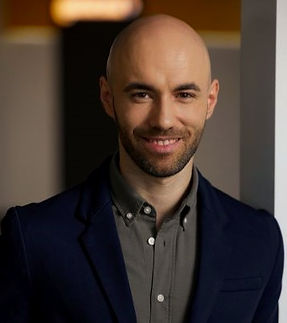
Kabai Róbert Zsolt
Robert holds degrees in Business Informatics, Machine Learning, and Cognitive & Clinical Neuroscience from Maastricht University. His research focuses on NeuroAI, cognitive neuroscience, and the effects of psychedelic substances on cognition and consciousness. He has also worked in AI research and development, taught as a guest lecturer, and completed professional training in Psychedelic Harm Reduction, Holotropic Breathwork, and Psychedelic Integration.
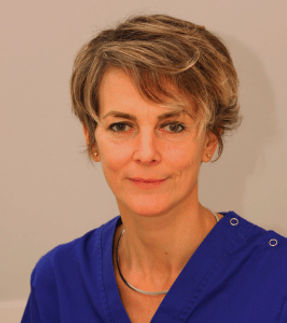
Dr. Stogicza Ágnes MD, PhD
Dr. Ágnes Stogicza is a board-certified anesthesiologist and interventional pain specialist with over 20 years of experience. Formerly Assistant Professor at the University of Washington, she now practices at the PSI Pain Clinic in Budapest and teaches at the University of Szeged. She is President of the Hungarian Section of the World Institute of Pain (WIP) and an internationally recognized expert in interventional pain medicine.

Szigeti Balázs Ph.D.
Balázs completed his studies in Physics at Imperial College and earned a PhD in Data Science from the University of Edinburgh. He is an internationally recognized expert in clinical trial design and analysis, with research focusing on psychedelic medicine, placebo effects, and functional unblinding. He is currently an Honorary Research Fellow at Imperial College and a researcher at the University of California, San Francisco (UCSF).

Menkó Gábor
Gábor Menkó is a Clinical Psychologist and Psychotherapist specializing in adult mental health. His psychodynamic approach emphasizes the therapeutic relationship, self-understanding, and interpersonal patterns. He is committed to reducing the stigma surrounding mental illness and promoting open dialogue about mental health. He has also worked in community psychiatry and served as a guest lecturer at the university level.

Kardos Tamás
Tamás Kardos is a drug policy expert at the Hungarian Civil Liberties Union (TASZ), a founding member of the Hungarian Medical Cannabis Association (MOKE), and the author of numerous publications. For nearly two decades, he has worked on evidence-based drug policy, harm reduction, cannabinoids, and psychedelic research, promoting scientifically grounded, human rights–based approaches to psychoactive substances.

Dr. Kovács Attila
Dr. Attila Kovács is a specialist in psychiatry, psychotherapist, and expert in Cognitive Behavioral Therapy (CBT) with over 20 years of clinical experience. His research focuses on the psychological and neurobiological effects of DMT. As a member of Prof. Dr. Ede Frecska’s research group, he contributes to advancing scientific research on psychedelics in psychiatry and psychotherapy.

Dr. Andrási Gábor
Dr. Gábor Tamás Andrási is a specialist in psychiatry, addiction medicine, and Cognitive Behavioral Therapy (CBT) with over 20 years of clinical experience. In addition to psychotherapy, he has extensive expertise in modern biological treatment approaches, including ketamine therapy. His research focuses on psychedelics, DMT, and altered states of consciousness. As a long-standing member of Prof. Dr. Ede Frecska’s research group, he is committed to advancing scientific research on psychedelics.

Dr. Kazai Anita
Dr. Anita Kazai is a physician, science journalist, and editor. She has worked in psychiatry, addiction medicine, and with the Hungarian Early Warning System for new psychoactive substances. Today, she communicates and edits medical and scientific content. Her main areas of interest include consciousness research and the effects of psychoactive substances, meditation, yoga, and breathing techniques on mental and physical health.

Dr. Karsai Czuczumanoff Bernadett
Dr. Bernadett Karsai Czuczumanoff is a physician in specialist training in psychiatry with five years of clinical experience. Her main areas of focus are psychopharmacology, addiction medicine, and neurodiversity. Her scientific work and PhD research also center on these fields. In her clinical practice, she combines current research with individualized, evidence-based treatment.

Szelestei Miklós
Miklós Szelestei is a founding member of the Hungarian Medical Cannabis Association. Since 2017, he has been working to promote the scientifically grounded and responsible use of medical cannabis in Hungary. His work focuses on sharing current research findings, professional education, supporting medical training, and advocating for patients’ interests. His goal is to improve access to reliable information and safe, evidence-based treatments, while contributing to the advancement of medical cannabis research in Hungary.

Dr. med. Zoltan Asztalos
Dr. med. Zoltán Asztalos is a board-certified psychiatrist and psychotherapist with more than 17 years of clinical experience, primarily based in Bavaria, Germany. He serves on the Board of the Bavarian Society for Psychedelics and is the founder of Tempel der Seele (Temple of the Soul), an initiative dedicated to advancing integrative, evidence-based approaches to mental health care.
His work bridges psychiatry, psychotherapy, research, and international collaboration, with a particular focus on the responsible development and integration of substance-assisted therapies, including psychedelic-assisted approaches.
Through Tempel der Seele, Dr. Asztalos aims to foster interdisciplinary exchange between clinical practice and scientific research and to contribute to the development of safe, ethically grounded, and evidence-informed therapeutic frameworks for emerging treatment modalities.


Get in Touch
Budapest
Hungary


